Intro
Mimosas are often just bubbly and orange juice, predictable and simple. But adding a splash of cranberry transforms the whole vibe—more tartness, a pop of color, a little holiday spirit even on an ordinary morning. I love how the tartness cuts through the sweetness, making each sip feel lively, almost like a little celebration in a glass. It’s a small twist that makes a familiar brunch staple feel fresh and unexpected.
Why It Matters To Me
Bullet1
I learned to appreciate bright, unexpected flavors during my early brunch shifts, where a splash of cranberry became my secret weapon.
Bullet2
This drink reminds me of chilly mornings, cranberry bogs, and the rush of holiday mornings with family around the table.
Bullet3
It’s a reminder that sometimes, a simple ingredient can turn a basic drink into something memorable.
Behind The Recipe
Story
One winter morning, I was experimenting with different fruit juices to elevate our usual brunch drinks. I had a jar of cranberry sauce leftover from Thanksgiving, and I just poured a little into a glass of champagne. The tartness was perfect, and the color was so festive. That moment stuck with me—how a little improvisation can spark a new favorite.
Recipe Origin Or Trivia
Bullets
- Cranberry juice was first commercially produced in the 1930s, gaining popularity during the holiday season.
- Mimosas date back to the 1920s in France, originally made with champagne and orange juice at a Parisian hotel.
- The combination of tart cranberry and bubbly balances sweet and sour, making it a versatile brunch drink.
- Cranberries have been used by Indigenous peoples for centuries, mainly for medicinal and culinary purposes.
Ingredient Breakdown
Bullets
- Champagne: I prefer a dry brut — it’s crisp and bright, but you can swap for prosecco if you want more fruitiness.
- Cranberry juice: Look for 100% juice with no added sugars—less cloying, more authentic tartness.
- Fresh cranberries: Not necessary but if you want a garnish, they add a pretty, tart pop.
- Orange juice: Use freshly squeezed if possible—it’s fragrant and adds a lively citrus note.
- Simple syrup: A touch helps balance the tartness—adjust based on your preference for sweetness.
Preparation Guide
Equipment & Tools
- Flute glasses for serving
- Measuring jigger for accuracy
- Funnel for pouring liquids smoothly
- Stirrer or spoon for mixing
Steps
- Chill your glasses in the freezer for 10 minutes before serving.
- Fill each glass halfway with chilled cranberry juice using a funnel.
- Top with champagne, pouring gently to avoid overflowing—about 3/4 full.
- Add a splash of orange juice for extra brightness—about 15 ml.
- Stir gently to combine, watching the bubbles rise and mingle.
- Taste and adjust sweetness with a tiny drizzle of simple syrup if needed.
- Garnish with fresh cranberries or a twist of orange peel.
Checkpoints
- The drink should be sparkling and vibrant, with a clear red hue.
- Feel the glass chill and the bubbles lively on your tongue.
- Taste should balance tart cranberry and crisp champagne, not overly sweet.
Resting & Finishing
Serve immediately with a light stir. No need to rest—drinks are best fresh and fizzy.
Ingredient Substitutions
- Dairy-Free: N/A — this drink is naturally dairy-free.
- Sugar-Free: Use a sugar substitute like stevia or monk fruit, but watch for aftertaste.
- Alcohol-Free: Replace champagne with sparkling water or non-alcoholic sparkling cider.
- Vegan: Ensure the champagne is vegan-friendly—a few brands use animal-derived fining agents.
- Lower Acid: Opt for a milder cranberry juice or dilute with a splash of sparkling water.
Ingredient Spotlight
Cranberry Juice
Has a deep ruby color that makes the drink look festive and appealing.
Provides tartness that cuts through the bubbly’s sweetness, brightening each sip.
During pouring, it’s thick and oozes slowly, offering a concentrated flavor burst.
Champagne
Bubbles are lively and crackle when poured, lifting the aroma and adding texture.
The dryness varies—choose brut for crispness or extra dry for more subtle sweetness.
It’s the backbone of the drink, so quality counts—fewer off-flavors and more sparkle.
Mistakes And Fixes
FORGOT To Chill Glasses
Chill ahead or serve over ice for immediate coldness.
DUMPED Extra Orange Juice
Add more champagne to balance the citrus—keeps it bubbly and balanced.
OVER-TORCHED The Champagne
Use a gentle pour—avoid aggressive shaking or swirling that flattens bubbles.
MISREAD The Sweetness
Adjust with more cranberry juice or simple syrup to suit your taste.
Cooking Tips Tricks
Use Chilled Ingredients
Keeps the drink fizzy and refreshing—no need to overcool the champagne.
Pour Slowly
Gently add champagne to prevent excessive foam or overflow.
Garnish Creatively
Add fresh cranberries or citrus twists to enhance visual appeal and aroma.
Adjust Sweetness
Taste and tweak with simple syrup or juice to suit your preference.
Serve Immediately
Best enjoyed right after mixing—bubbles fade fast if left standing.
Make Ahead Storage
Pre-mix The Juice Portion
Prepare cranberry and orange juice in advance; store in fridge for up to 24 hours.
Chill Glasses
Keep glasses in freezer for 10 minutes before serving.
Refrigerate Pre-mixed Drinks
Combine juice and store for up to 12 hours—add champagne just before serving.
Reheating Not Needed
Serve cold, with fresh bubbles—refrigeration keeps it crisp.
Quick Kitchen Fixes
When Flat Bubbles
Splash a tiny bit more champagne or sparkling water.
If Too Tart
Add a touch more orange juice or syrup, stir gently.
Splash Of Color Needed
Garnish with fresh cranberries or orange peel for vibrancy.
Patch Dull Flavor
Add a squeeze of lemon or lime for brightness.
Shield From Flatness
Serve immediately after mixing to keep the fizz lively.
Faqs
Can I use sparkling water instead of champagne?
Yes, for a non-alcoholic, lighter version with a similar bubbly feel.
How do I make it less sweet?
Reduce or omit simple syrup, or choose less sweet cranberry juice.
Can I prepare this ahead?
Mix the juice components in advance, add champagne just before serving.
What’s a good garnish?
Fresh cranberries, citrus twists, or a sprig of rosemary look festive.
Is this suitable for brunch?
Absolutely—bright, tart, and bubbly, perfect for a mid-morning toast.
Can I make it vegan?
Use vegan-certified champagne—most are, but check labels.
What if the drink is too sour?
Add a dash more simple syrup or a splash of orange juice.
How do I avoid overflowing when pouring?
Pour slowly and at a slight angle into chilled glasses.
Any tips for a large batch?
Mix juice in advance, keep chilled, add champagne at the last moment.
How do I prevent the drink from going flat?
Serve immediately after mixing and keep the champagne cold.
Cranberry Sparkling Mimosas
Ingredients
Equipment
Method
- Chill your flute glasses in the freezer for about 10 minutes to keep the drinks cold and fizzy.
- Using a funnel, pour approximately half of the cranberry juice into each glass, filling them about one-third full. The vibrant red color will immediately catch your eye.750 ml Champagne
- Slowly top each glass with champagne, pouring gently along the side to preserve the bubbles. Fill each glass about three-quarters full, listening for the lively fizz as it rises.750 ml Champagne
- Add a splash of freshly squeezed orange juice—about 15 ml—to each glass for extra brightness and citrus aroma.750 ml Champagne
- Gently stir the mixture with a stirrer or spoon to combine the flavors without losing too much fizz, watching the bubbles dance.
- Taste the drink and, if desired, add a tiny drizzle of simple syrup to adjust the sweetness to your liking. Stir again lightly to incorporate.750 ml Champagne
- Garnish each glass with a few fresh cranberries or a twist of citrus peel for a festive and colorful finish.750 ml Champagne
- Serve immediately to enjoy the sparkling, colorful, and lively mimosa, perfect for a celebratory brunch or cheerful morning.
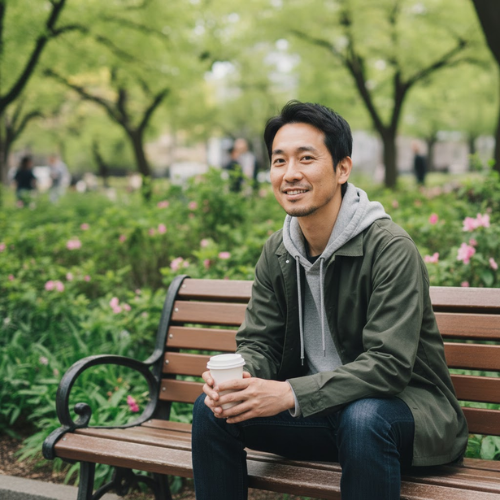
Hi, I’m Oliver Stone, the writer, cook, and storyteller behind Crying Into the Onions. I’m so glad you found your way here. This blog was born from equal parts humor, heart, and a deep love for honest cooking. I started this blog to share more than just recipes — I wanted to capture the emotions, memories, and quirks that make food more than fuel. Because sometimes, cooking makes you laugh. Sometimes, it makes you cry (into the onions, naturally). And most of all, it brings people together.