
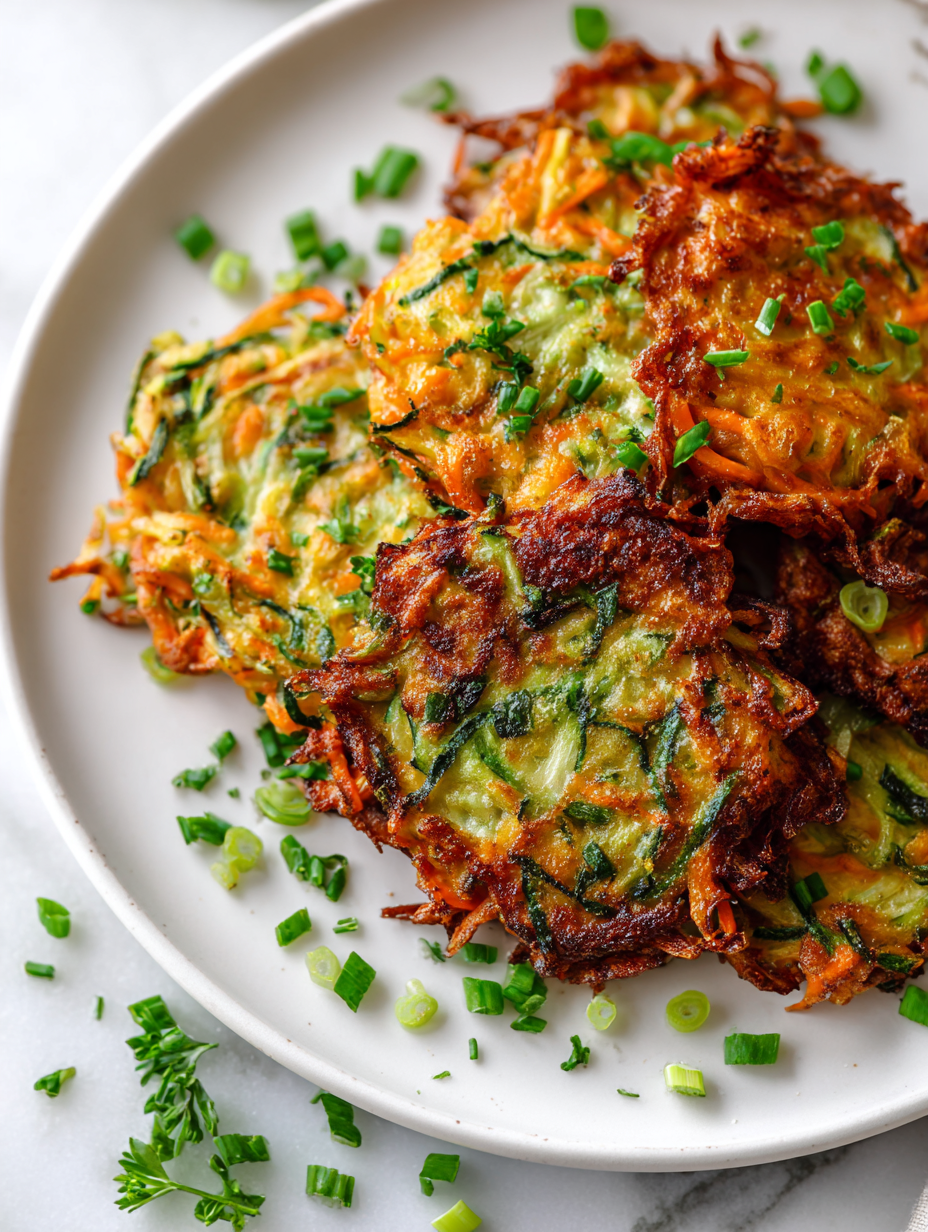
This recipe is my way of turning vegetable scraps into something worth reaching for. I’ve always loved the idea of not wasting perfectly good produce, and these fritters are a tasty way to do just that. There’s a satisfying crunch and a smoky flavor that sneaks in, even when you’re using bits of carrots, zucchini, or spinach that might have otherwise gone straight to compost.
Making these fritters feels a bit like a small victory in the kitchen—resourceful, honest, with a touch of chaos. The smell alone, a mix of sizzling veggies and hot oil, makes everyone in the house stop and sniff. Plus, it’s a good reminder that sometimes the simplest ingredients, thrown together with a little love, make the best snacks or light meals.
This recipe focuses on transforming humble vegetable scraps into crispy, flavorful fritters, emphasizing resourcefulness and zero-waste cooking.
Turning scraps into crispy bites
- Transforming humble scraps into something crispy and satisfying always sparks a little pride in me.
- The smoky aroma that drifts from these fritters reminds me of lazy weekend mornings at my childhood breakfast table.
- I love how versatile this recipe is—each batch feels like a small act of resourcefulness and creativity.
- Nothing beats the joy of crispy edges and tender insides, especially when you’ve thrown together bits that might have been ignored.
- Making these fritters makes me feel connected to the seasons, using what’s fresh and on hand, avoiding waste.
Turning scraps into crispy bites
- This recipe came from a moment of kitchen chaos—my fridge was overflowing, and I needed to use up some leftover veggies before they went bad. I threw together what I had, and somehow, the fritters turned out better than anything I’d planned. There’s something satisfying about turning odds and ends into something crispy and warm. It’s become a little ritual whenever I want a quick, honest snack that feels like a small victory in resourcefulness.
- The smell of sizzling vegetables mixed with hot oil instantly takes me back—nostalgic weekends at my grandma’s house, where nothing went to waste and flavors were bold. These fritters remind me that good food doesn’t need fancy ingredients, just a bit of patience and a lot of love. It’s a humble dish, but one that’s full of the chaos and joy of real cooking—imperfect, satisfying, and endlessly adaptable.
- I love how these fritters can be a blank canvas—different veggies, herbs, or even a dash of spice. They’re a reminder that sometimes, the best recipes are born out of necessity and a little kitchen improvisation. Every crispy bite feels like a small triumph, especially when you’ve used scraps you might have otherwise thrown away.
Fritters’ Cultural and Historical Roots
- Vegetable fritters have roots in many cultures, from the crispy latkes of Eastern Europe to Indian vegetable pancakes called cheelas.
- Historically, fritters were a way to make the most of leftover vegetables and bread, turning scraps into satisfying meals.
- In some traditions, fritters were a street food, fried quickly on open fires and shared among neighbors during harvest festivals.
Ingredient breakdown: key components
- Zucchini: I love how zucchini becomes tender and slightly sweet when grated and fried—just make sure to squeeze out excess moisture so they don’t turn soggy. You can swap in yellow squash if you prefer a milder flavor.
- Carrots: Their natural sweetness really shines through in these fritters, adding a nice crunch. Grated carrots can be replaced with parsnips or beets for a different earthy note, but keep in mind they’ll add color and moisture.
- Green onions: I find their sharp, fresh bite cuts through the richness of the fried batter, plus they add a subtle onion aroma. Chives or shallots can be used if you want a gentler or more refined onion flavor.
- Flour: I use all-purpose flour for reliable binding, but a little rice flour or chickpea flour can give a crisper edge. If gluten-free, try almond flour—just expect a slightly nuttier taste and different texture.
- Egg: It’s the binder that keeps everything together, giving the fritters structure. For a vegan version, mashed avocado or a flaxseed slurry works, but the texture might be a touch denser or softer.
- Oil: I stick with neutral oils like vegetable or canola for frying—hot enough, around 180°C/350°F, they sizzle just right. For a smoky flavor, a splash of sesame oil in the batter or a dash of smoked paprika in the oil can add depth.
- Herbs & Spices: Fresh parsley or dill brighten up the dish, while a pinch of cumin or paprika can add warmth. Use what’s on hand—fresh herbs are best for aroma, but dried work in a pinch.
Spotlight on key ingredients
Green onions:
- Zucchini: I love how zucchini becomes tender and slightly sweet when grated and fried—just make sure to squeeze out excess moisture so they don’t turn soggy. You can swap in yellow squash if you prefer a milder flavor.
- Carrots: Their natural sweetness really shines through in these fritters, adding a nice crunch. Grated carrots can be replaced with parsnips or beets for a different earthy note, but keep in mind they’ll add color and moisture.
- I find their sharp, fresh bite cuts through the richness of the fried batter, plus they add a subtle onion aroma. Chives or shallots can be used if you want a gentler or more refined onion flavor.
Notes for ingredient swaps
- FLOUR: Whole wheat or spelt flour can add a nuttier flavor and denser texture, but expect a slightly darker fritter.
- EGG: For vegan, try mashed banana or silken tofu—both will bind but may alter the flavor and texture slightly.
- OIL: Coconut oil gives a subtle sweetness and aroma, while olive oil adds a fruity note—use what suits your flavor mood.
- VEGETABLES: Zucchini can be swapped for yellow squash or eggplant, but expect differences in moisture and flavor.
- HERBS: Fresh basil or cilantro can replace parsley or dill for a more vibrant, fragrant punch.
- SALT & SPICES: Add a pinch of smoked paprika or cumin for smoky warmth, especially if you’re skipping herbs.
- SOUR CREAM OR YOGURT: Use coconut yogurt or tahini for dairy-free options, which will change the creaminess and tang.
Equipment & Tools
- Large mixing bowl: To combine and mix grated vegetables with other ingredients.
- Grater: To shred vegetables into fine, moist strands.
- Non-stick skillet: For even frying and easy flipping.
- Spatula: To flip and press the fritters during cooking.
- Paper towels: To drain excess oil from cooked fritters.
Step-by-step guide to veggie fritters
- Gather your equipment: a large mixing bowl, a grater, a spatula, a non-stick skillet, and a spatula for flipping. Preheat the skillet over medium heat, about 180°C/350°F.
- Grate your vegetables—zucchini, carrots, whatever scraps you’ve got. Squeeze out excess moisture using a clean kitchen towel; moisture is the enemy here.
- In the bowl, combine grated veggies with chopped green onions, a cup of flour, and one beaten egg. Mix well until you get a thick, cohesive batter. If it feels runny, add a bit more flour.
- Heat about 2-3 tablespoons of neutral oil in the skillet. When shimmering—crackle a little when you flick water—you’re ready.
- Scoop about 2 tablespoons of batter per fritter into the hot oil. Flatten gently with the back of your spatula. Cook for 3-4 minutes until golden brown on one side, then flip.
- Cook the other side for another 3-4 minutes. Look for crispy edges and a deep, amber color. The smell should be warm, slightly smoky, with hints of sweetness from the carrots.
- When both sides are crisp and golden, transfer fritters to a paper towel-lined plate to drain excess oil. Repeat with remaining batter.
- Let the fritters rest for about 2 minutes. They firm up as they cool, making flipping and plating easier. Serve warm, with a squeeze of lemon or a dollop of yogurt if desired.
Let the fritters rest for 2 minutes on a wire rack or paper towels. Serve immediately while warm and crispy. Garnish with herbs or a squeeze of lemon for extra brightness.
How to Know It’s Done
- Fritters are golden and crispy on the edges.
- They emit a warm, smoky aroma with hints of vegetable sweetness.
- Fritters feel firm but tender when gently pressed, not soggy or greasy.
Vegetable Scraps Fritters
Ingredients
Equipment
Method
- Gather your grated vegetable scraps and place them in a large mixing bowl. Squeeze out excess moisture using a clean towel—they should feel firm and dry to prevent sogginess.
- Add chopped green onions to the bowl for a fresh, sharp flavor.
- Sprinkle in the flour, adding more if the mixture feels too loose. Pour in the beaten egg and stir everything together until well combined; the batter should be thick and hold together when scooped.
- Heat about 2-3 tablespoons of neutral oil in a non-stick skillet over medium heat until shimmering and hot, with a gentle crackle when flicked with water.
- Scoop approximately 2 tablespoons of batter and gently flatten it into the hot oil using the back of a spatula. Cook for about 3-4 minutes on each side, until golden brown and crispy around the edges.
- Flip the fritters carefully and cook for another 3-4 minutes until both sides are crispy and deeply golden. You’ll hear a satisfying sizzle and see the edges turn crisp and brown.
- Transfer the cooked fritters to a paper towel-lined plate to drain excess oil. Repeat with the remaining batter, adding more oil if needed.
- Allow the fritters to rest for 2 minutes—they will firm up and become even more satisfying to bite into. Serve warm, garnished with herbs or a squeeze of lemon if desired.
Notes
Pro tips for perfect vegetable fritters
- Use a fine grater to achieve evenly textured fritters with consistent crispness.
- Squeeze out excess moisture from vegetables to prevent soggy fritters and ensure crisp edges.
- Keep oil at a steady 180°C/350°F to avoid burning or undercooking; use a thermometer for accuracy.
- Flatten the batter gently in the pan to promote even cooking and a crispy surface.
- Cook in batches without overcrowding to maintain oil temperature and crispiness.
- Rest cooked fritters for 2 minutes to allow edges to firm up before serving.
- Finish with a squeeze of lemon or a sprinkle of herbs to enhance flavor and freshness.
Common mistakes and how to fix them
- FORGOT to squeeze out moisture → Make sure to drain excess water from vegetables thoroughly.
- DUMPED too much oil → Maintain oil temperature; too much causes soggy fritters.
- OVER-TORCHED the first batch → Reduce heat if fritters brown too quickly; aim for golden edges.
- MISSED resting time → Let fritters rest 2 minutes to firm up and prevent breakage.
Quick Fixes & Pantry Swaps
- When fritters are soggy, splash a little water in oil to shimmer and crisp.
- If batter is too runny, dump in a pinch more flour for better binding.
- When oil smokes, shield it with a lid and turn down heat immediately.
- Splash lemon juice when fritters smell flat to brighten flavors and add zest.
- Patch over burnt edges with fresh batter and lower heat for even cooking.
Prep, store, and reheat tips
- Prep the grated vegetables and mix the batter a day in advance; keep covered in the fridge to maintain freshness and prevent drying out. The flavors will meld slightly, making the fritters even more flavorful.
- Stored cooked fritters can last up to 2 days in the fridge. Reheat in a hot skillet over medium heat until crispy again, about 3-4 minutes, and smell that inviting sizzle and warmth.
- Freeze cooked or uncooked fritters for up to 1 month. Wrap tightly in plastic wrap and then foil. Reheat directly from freezer—fry or bake until hot and crispy, with a crackling sound and golden appearance.
- Reheating may soften the fritters slightly; to restore crispness, reheat in a hot skillet or oven (around 180°C/350°F) until the edges shimmer and crackle. Serve immediately for the best texture.
Top questions about vegetable fritters
1. How do I keep the fritters crispy?
Use a fine grater and squeeze out excess moisture from the vegetables to prevent sogginess. Squeeze as much water as you can for crispier results.
2. Can I use different vegetables?
Yes, you can swap in other vegetables like sweet corn, shredded cabbage, or mushrooms. Just keep in mind moisture levels and adjust flour accordingly.
3. My batter is too thick or too runny, what now?
If the batter feels too thick, add a splash of water or milk. If too runny, mix in a bit more flour until it holds together.
4. What oil should I use for frying?
Use a neutral oil like vegetable or canola. For extra flavor, a little sesame or olive oil works, but be mindful of their stronger aromas.
5. How do I know when the oil is ready?
Cook the fritters over medium heat, around 180°C/350°F. They should sizzle gently and turn golden in about 3-4 minutes per side.
6. Can I make these in advance?
You can prepare the grated vegetables and batter mixture ahead of time. Keep refrigerated for up to a day, and fry just before serving.
7. My fritters are falling apart, what do I do?
If your fritters fall apart, gently press them back together in the pan and cook longer to help set the edges. Ensure moisture is well drained.
8. How can I flavor these more?
Add herbs like parsley or dill for freshness. Spices like cumin or paprika can add warmth—just adjust to your taste.
9. Why are my fritters soggy or unevenly cooked?
When frying, avoid overcrowding the pan; cook in batches. This keeps the oil hot and helps them crisp evenly.
10. How do I reheat leftovers without losing crispiness?
Reheat cooked fritters in a hot skillet for 3-4 minutes until crispy. You can also bake at 180°C/350°F for about 10 minutes.
These vegetable fritters are a good reminder that simple, honest ingredients can be turned into something unexpectedly satisfying. They’re perfect for using up odds and ends and come together quickly, making them a reliable favorite in my kitchen. Each crispy bite carries a little bit of chaos and creativity, which I find really comforting.
In a world that often feels hurried, taking the time to fry up a batch of these reminds me to appreciate the humble, imperfect beauty of home cooking. Whether served as a snack or a light meal, they bring a savory crunch and warmth that’s hard to beat. Sometimes, the best dishes are born from leftover scraps and a bit of patience.

Hi, I’m Oliver Stone, the writer, cook, and storyteller behind Crying Into the Onions. I’m so glad you found your way here. This blog was born from equal parts humor, heart, and a deep love for honest cooking. I started this blog to share more than just recipes — I wanted to capture the emotions, memories, and quirks that make food more than fuel. Because sometimes, cooking makes you laugh. Sometimes, it makes you cry (into the onions, naturally). And most of all, it brings people together.