
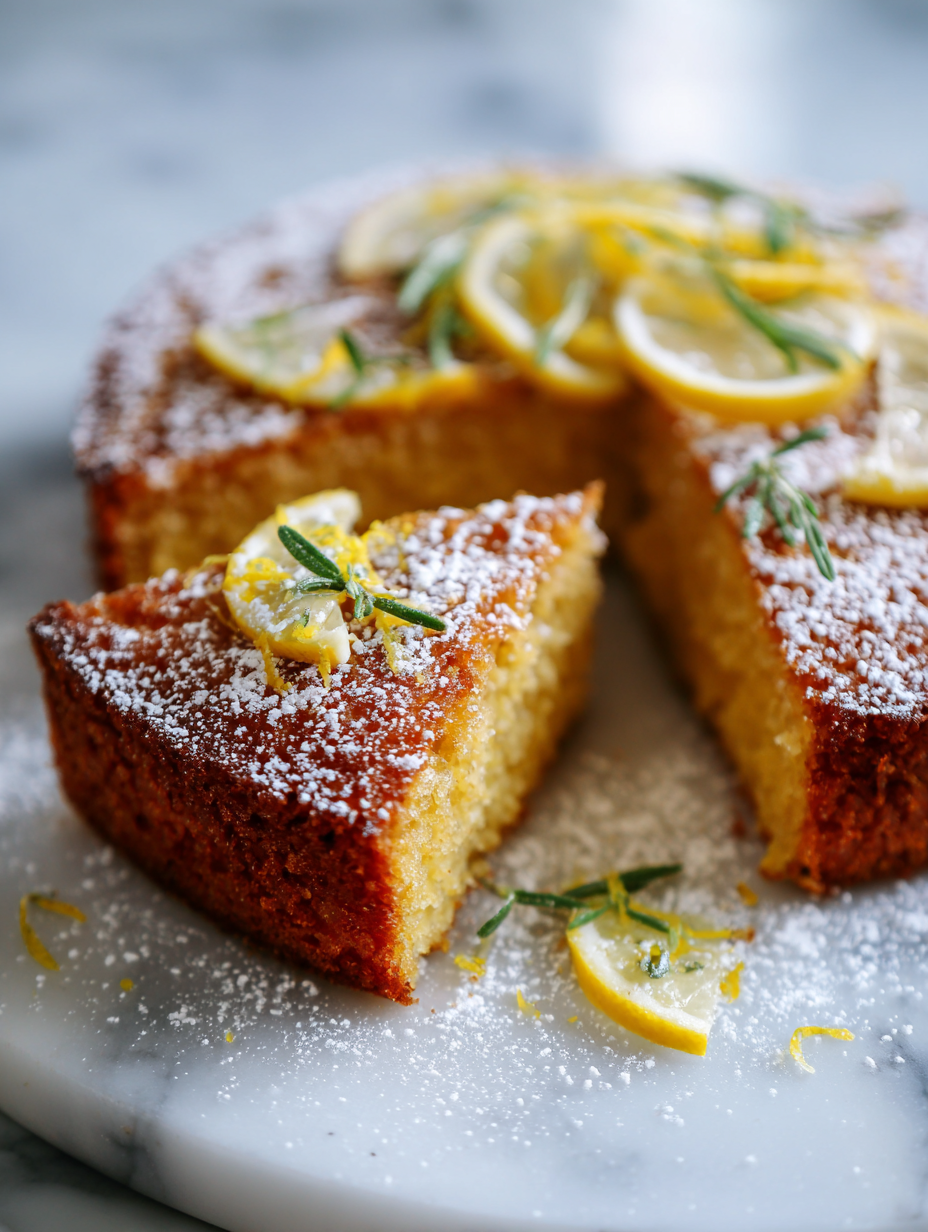
What draws me to this olive oil cake isn’t just its tender crumb or the subtle sweetness—it’s how the olive oil’s grassy, slightly peppery aroma fills the room as it bakes. Every time I make it, I feel like I’m bringing a piece of a lush olive grove into my kitchen, turning humble ingredients into something that smells like a warm, sunny afternoon.
This cake is a reminder that simplicity often yields the most surprising flavors. I love how the rich, fruity notes of good-quality olive oil shine through, making each bite complex yet comforting. It’s a perfect thing to whip up when you want something modest but layered with a touch of elegance, especially on days when the weather calls for cozy, fragrant baking.
This recipe is all about transforming a simple, humble ingredient—olive oil—into a cake that celebrates its rich, fruity aroma. I love how the oil’s grassy, slightly peppery notes come alive in each bite, turning an everyday baking project into a sensory journey. It’s like tasting the essence of a good olive grove, right in your own kitchen, comforting yet unexpectedly sophisticated.
A Cake for Olive Oil Lovers
- Baking this cake always reminds me of lazy Sunday mornings, when the smell of olive oil drifts through the house and makes everything feel calmer.
- I used to think simple ingredients couldn’t carry a dessert, but this cake proved me wrong—each slice is a revelation of fruity, peppery notes that dance on the tongue.
- There’s a quiet pride in pulling this out for friends and watching their surprise at how such humble ingredients create something so delicate and complex.
- Every batch feels like an act of patience—waiting for that perfect golden crust and the warm, fragrant aroma that fills the kitchen, grounding me in the moment.
The story behind this recipe
- This cake came about one rainy afternoon when I was experimenting with olive oil beyond salads and bread. I wanted a dessert that would let the oil’s fruity, peppery notes shine without overwhelming. Baking it felt like capturing a drop of sunshine—bright, simple, and unexpectedly complex in flavor.
- I remember the first time I tried a slice—it was at a small bakery in a coastal town, where the air smelled of salt and herbs. That moment stayed with me, how the oil’s richness balanced with the tender crumb, making every bite feel like a little celebration of nature’s bounty.
- It’s become my go-to for when I need a quiet, elegant dessert that isn’t fussy. Every batch reminds me that good ingredients, treated with care, can turn into something memorable. Plus, the warm aroma filling the house—like fresh olives—never fails to lift my spirits.
Historical & Cultural Tidbits
- Olive oil cakes have roots in Mediterranean baking traditions, where olive oil is a staple ingredient, often used in both savory and sweet dishes.
- This cake gained popularity in Italy and Spain in the early 20th century, as a way to showcase their abundant olive harvests and rich, fruity oils.
- Unlike typical butter-based cakes, olive oil cakes are celebrated for their moist texture and complex flavor profile, thanks to the oil’s fruity and peppery notes.
- Some ancient recipes from southern Italy used olive oil as a substitute for butter in cakes, making them more accessible during lean times.
Key Ingredients Breakdown
- Olive oil: I love using a robust, fruity extra virgin olive oil; it’s the star, filling the cake with a grassy, peppery aroma that’s almost pungent when raw. Swap for light olive oil if you prefer a milder flavor, but it loses that vibrant punch.
- Sugar: I prefer superfine sugar here — it dissolves quickly and lends a tender crumb. If you only have regular granulated, just give it a few extra whirls in the blender to break it down.
- Flour: All-purpose works perfectly, but I’ve tried spelt flour for a nuttier flavor. It’s denser, so expect a slightly heavier cake with a rustic edge.
- Eggs: Fresh, large eggs are best—they help with the rise and give the cake structure. If you’re out, a flaxseed or chia seed egg can work as a vegan substitute, though it’ll add a faint earthiness.
- Lemon zest: Brightens everything. I use organic lemons for the zest, which adds a zingy, citrusy aroma that balances the richness of the oil. Skip if you want a plain, pure olive flavor.
- Baking powder: I use a standard double-acting kind, just enough to lift the batter without making it airy. Too much and it gets metallic; too little and it’s dense.
- Optional toppings: A dusting of powdered sugar or a drizzle of honey right after baking enhances the natural olive oil flavor and adds a touch of sweetness. I love a sprinkle of sea salt on top, too, for contrast.
Spotlight on key ingredients
Olive oil:
- I love using a robust, fruity extra virgin olive oil; it’s the star, filling the cake with a grassy, peppery aroma that’s almost pungent when raw. Swap for light olive oil if you prefer a milder flavor, but it loses that vibrant punch.
- Sugar: I prefer superfine sugar here — it dissolves quickly and lends a tender crumb. If you only have regular granulated, just give it a few extra whirls in the blender to break it down.
- Flour: All-purpose works perfectly, but I’ve tried spelt flour for a nuttier flavor. It’s denser, so expect a slightly heavier cake with a rustic edge.
Lemon zest:
- Eggs: Fresh, large eggs are best—they help with the rise and give the cake structure. If you’re out, a flaxseed or chia seed egg can work as a vegan substitute, though it’ll add a faint earthiness.
- Brightens everything. I use organic lemons for the zest, which adds a zingy, citrusy aroma that balances the richness of the oil. Skip if you want a plain, pure olive flavor.
Notes for ingredient swaps
- Olive Oil: Use light or refined olive oil for a milder flavor if you dislike the grassy, peppery punch of extra virgin. It still keeps the cake moist but loses some of that vibrant aroma.
- Sugar: Swap superfine sugar for coconut sugar or honey for a different sweetness profile. Expect a slightly denser crumb and a hint of caramel or floral notes.
- Flour: Whole wheat or spelt flour can replace all-purpose, adding nuttiness and a denser texture. Adjust with a bit more liquid if needed.
- Eggs: For a vegan version, try applesauce or mashed bananas—these will make the cake a bit moister and add subtle fruitiness, but reduce the oil slightly.
- Lemon Zest: Orange zest or lime zest can be swapped in for a different citrus aroma—more floral or tangy, depending on your choice. Skip for a more neutral cake.
Equipment & Tools
- Oven: Bake the cake evenly at the correct temperature.
- 9-inch round cake pan: Hold the batter and shape the cake.
- Parchment paper: Prevent sticking and make removal easier.
- Whisk: Aerate eggs and mix wet ingredients.
- Spatula: Fold dry ingredients into wet without deflating.
- Cooling rack: Cool cake evenly and prevent sogginess.
Step-by-step guide to Olive Oil Cake
- Preheat your oven to 180°C (350°F). Grease a 9-inch round cake pan with a little olive oil and line the bottom with parchment paper.
- In a large mixing bowl, whisk together 1 1/2 cups (180g) all-purpose flour, 1 teaspoon baking powder, and a pinch of salt. Set aside.
- In a separate bowl, beat 3 large eggs until slightly frothy, about 30 seconds. Add 3/4 cup (150g) superfine sugar and whisk until well combined and slightly pale, about 1 minute.
- Pour in 1/2 cup (120ml) high-quality extra virgin olive oil and 1 teaspoon lemon zest. Whisk until the mixture looks slightly thickened and fragrant, about 1 minute.
- Gradually fold the dry ingredients into the wet, using a spatula or a whisk on low speed, just until combined. Do not overmix; a few lumps are fine.
- Pour the batter into your prepared pan. Smooth the top with the back of a spoon or spatula. Tap the pan gently on the counter to settle the batter and release air bubbles.
- Bake in the preheated oven for 35-40 minutes. The cake is done when it turns a deep golden brown, and a skewer inserted in the center comes out clean.
- Check for doneness: the top should be firm and slightly crackled, the edges pulling away from the pan, and it should smell fragrant and fruity.
- Remove from oven and let cool in the pan for about 15 minutes. Then, transfer to a wire rack and let it cool completely before removing the parchment.
- Finish with a dusting of powdered sugar or a drizzle of honey if desired. Serve at room temperature or slightly warm.
Let the cake cool in the pan for 15 minutes, then transfer to a wire rack. Finish with powdered sugar or honey before serving. Serve at room temperature for best aroma and texture.
How to Know It’s Done
- Golden brown top with slight crackles.
- Toothpick inserted in center comes out clean.
- Cake feels firm yet tender to touch, not sticky.
Olive Oil Cake
Ingredients
Equipment
Method
- Preheat your oven to 180°C (350°F). Grease a 9-inch round cake pan with a little olive oil and line the bottom with parchment paper to ensure easy removal.
- In a medium bowl, whisk together the all-purpose flour, baking powder, and a pinch of salt until evenly combined. Set this dry mixture aside.
- In a large mixing bowl, crack in the eggs and whisk until slightly frothy, about 30 seconds. Add the superfine sugar and continue whisking until the mixture turns pale and slightly thickened, roughly 1 minute.
- Pour in the olive oil and add the lemon zest, then whisk until the mixture looks glossy and fragrant, about another minute. The aroma should be fresh and citrusy with a hint of grassy notes from the oil.
- Gradually fold the dry ingredients into the wet mixture using a spatula, mixing gently until just combined. Be careful not to overmix; a few lumps are fine to keep the batter light and airy.
- Pour the batter into your prepared pan and smooth the surface with the back of a spatula. Gently tap the pan on the counter to settle the batter and release any air bubbles for an even bake.
- Bake in the preheated oven for 35 to 40 minutes, or until the top turns a deep golden brown and a toothpick inserted into the center comes out clean. The cake should smell fragrant and slightly fruity.
- Remove the cake from the oven and let it cool in the pan for about 15 minutes. Then, transfer it to a wire rack to cool completely, which helps set the crumb and makes it easier to serve.
- Once cooled, dust the cake with powdered sugar or drizzle with honey for added sweetness and aroma. Slice and serve at room temperature to best enjoy the rich, fruity olive oil flavor.
Tips & Tricks for Olive Oil Cake
- Bolded mini-head: Use a gentle folding technique to incorporate dry ingredients—this keeps the batter airy and light.
- Bolded mini-head: For a more intense olive aroma, let the oil sit with lemon zest for 10 minutes before mixing.
- Bolded mini-head: Keep an eye on the cake’s color; a deep golden hue indicates proper caramelization without overbaking.
- Bolded mini-head: If the top is browning too quickly, loosely cover with foil to prevent burning while the center finishes.
- Bolded mini-head: For a tender crumb, don’t overmix once the flour is added—stop mixing as soon as it’s just combined.
- Bolded mini-head: Rest the cake in the pan for at least 15 minutes; this helps set the crumb before transferring to a rack.
- Bolded mini-head: To enhance flavor, drizzle honey or sprinkle sea salt on top while still warm for a layered taste experience.
Common mistakes and how to fix them
- FORGOT to check oven temperature → Use an oven thermometer for accuracy.
- DUMPED the batter by overmixing → Fold gently until just combined to keep it airy.
- OVER-TORCHED the top → Cover with foil if it browns too quickly, prevent bitterness.
- MISSED the cooling step → Let the cake cool fully to prevent it from breaking apart.
Quick Fixes & Pantry Swaps
- When batter looks too thick, splash in a teaspoon of water and fold gently.
- If the cake cracks on top, patch with a dollop of whipped cream or honey drizzle.
- Splash a little lemon juice on the surface if it over-bakes and dries out.
- Dumped the batter into the pan too quickly? Use a spatula to even out the surface gently.
- When the oven smells smoky, shield the cake with foil and lower the temperature slightly.
Prep, store, and reheat tips
- Prepare the batter up to a day in advance; cover tightly and store in the fridge. The flavors deepen overnight, especially the olive oil’s fruity notes.
- The baked cake can be wrapped well and stored at room temperature for 1-2 days or in the fridge for up to 4 days. Expect the crumb to become slightly denser but still moist.
- For longer storage, freeze slices wrapped individually in plastic wrap and placed in a zip-top bag. They keep well for up to 1 month and retain their flavor and moisture.
- Reheat slices in a low oven (around 150°C/300°F) for 10-15 minutes until warmed through. The aroma of olive oil and citrus should revive, and the cake will regain a tender feel.
Top questions about olive oil cake
1. Can I use regular olive oil instead of extra virgin?
Use a high-quality extra virgin olive oil for a fruity, pungent aroma that really shines in the cake. A milder oil will tone down the flavor but still keep it moist.
2. What if I only have light olive oil?
Yes, but it will change the flavor profile. Regular or light olive oil will produce a milder, less aromatic cake, which some prefer if they dislike the grassy notes.
3. Should I serve the cake warm or cold?
The cake is best served at room temperature to fully enjoy the aroma of the olive oil and the tender crumb. Reheat gently if preferred warm.
4. How do I avoid overmixing the batter?
The batter should be mixed just until combined; overmixing can make the cake dense. Fold gently and stop as soon as the flour disappears.
5. How do I know when the cake is done?
Bake until the top is deep golden and a toothpick inserted in the center comes out clean. The edges should slightly pull away from the pan.
6. Can I use regular sugar instead of superfine?
You can substitute superfine sugar with regular granulated sugar, but give it a few extra whirls in the blender to help it dissolve quickly.
7. Can I make this cake vegan?
Yes, you can replace eggs with mashed bananas or applesauce for a vegan version, but expect a slightly denser texture and a hint of fruitiness.
8. What can I substitute for lemon zest?
The lemon zest brightens the cake’s flavor and balances the richness of the olive oil. Use orange or lime zest for a different citrus twist.
9. What if the cake over-browns on top?
If the top browns too quickly, tent the cake with foil during baking to prevent burning while the center finishes.
10. How should I store leftovers?
Wrap cooled slices tightly and store at room temperature for 1-2 days, or in the fridge for up to 4 days. Freeze for longer storage.
This olive oil cake is more than just a dessert; it’s a reflection of how simple ingredients can create something memorable. The aroma alone—fruity, peppery, warm—fills the room and makes everyone pause, curious. It’s a reminder that honest baking often results in the most genuine flavors.
In times when I need a comforting yet elegant treat, this cake is my go-to. It’s unpretentious, deeply flavorful, and always seems to bring a little sunlight into the kitchen, even on the gloomiest days.

Hi, I’m Oliver Stone, the writer, cook, and storyteller behind Crying Into the Onions. I’m so glad you found your way here. This blog was born from equal parts humor, heart, and a deep love for honest cooking. I started this blog to share more than just recipes — I wanted to capture the emotions, memories, and quirks that make food more than fuel. Because sometimes, cooking makes you laugh. Sometimes, it makes you cry (into the onions, naturally). And most of all, it brings people together.