
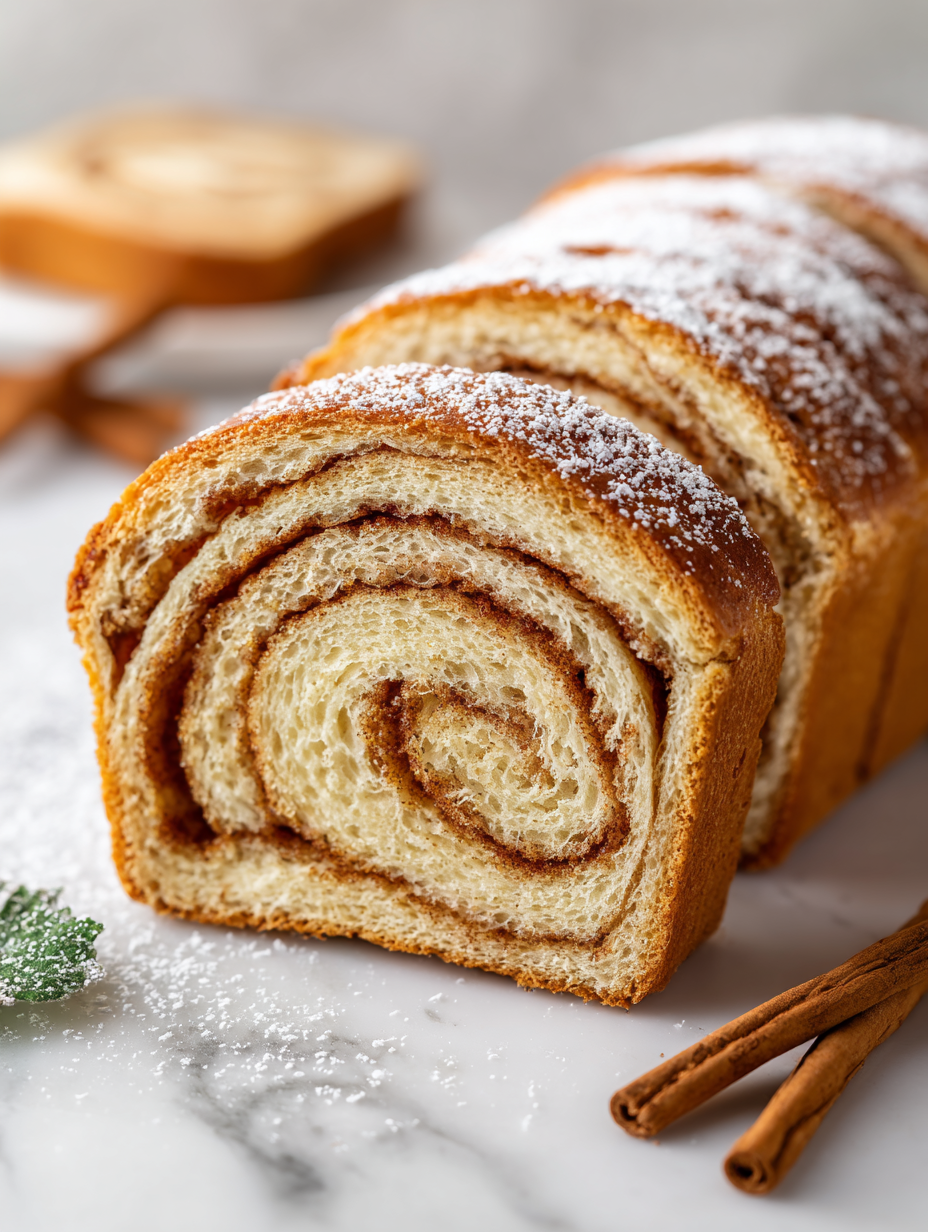
I’ve always loved cinnamon swirl bread, but I used to struggle with getting an even, beautiful swirl that didn’t turn into a dense, gooey mess. Over time, I realized the secret is in the gentle rolling and spreading, making sure the cinnamon layer stays balanced and doesn’t overpower the bread’s tender crumb. It’s a small technique that transforms the loaf from good to truly special.
This recipe isn’t just about the end result—it’s about the quiet moments in the kitchen, laying out the dough, watching the cinnamon spread perfectly, and feeling the softness of the dough give way under your hands. It’s a ritual that reminds me how a few simple steps, taken patiently, can turn everyday bread into something memorable. Plus, the smell of cinnamon baking, filling the house, is a kind of comfort I keep coming back to.
Focusing on the overlooked technique of creating a perfectly even cinnamon swirl that distributes flavor without overpowering the bread, this recipe emphasizes the importance of gentle rolling and precise spreading to achieve a balanced, tender loaf.
The overlooked art of even cinnamon swirl
- Baking this bread always takes me back to childhood mornings, the smell of cinnamon filling the house, cozy and inviting.
- I used to think perfect cinnamon swirls were impossible without fancy tools, but this recipe proved otherwise—patience and gentle spreading are everything.
- There’s a quiet pride I feel when I see the even cinnamon layer after rolling—like I’ve cracked a secret of good baking.
- Sometimes, I get a little chaotic—messy cinnamon everywhere—but that’s part of the charm and the flavor explosion in each slice.
- Sharing this bread with friends feels like passing on a warm hug—simple, honest, and deeply comforting.
The overlooked art of even cinnamon swirl
Making cinnamon swirl bread became a quiet obsession after a weekend spent rummaging through my grandmother’s old recipe box. I was drawn to the way she folded cinnamon into soft dough, creating that sweet, fragrant swirl—something so simple yet oddly magical. Over the years, I’ve tweaked her method, aiming for an even swirl that doesn’t turn into a dense goo in the middle. It’s become a little ritual that reminds me of home, the smell of cinnamon baking curling through the house, making everything feel just a bit more cozy.
Historical and Cultural Tidbits
- Cinnamon swirl bread has roots in European baking traditions, where sweet, spiced loaves were often enjoyed during festive seasons.
- The technique of creating a cinnamon swirl likely originated from the desire to incorporate flavorful layers into simple bread dough, making it more special.
- Historically, cinnamon was a precious spice, so its use in bread was a sign of celebration and indulgence, not everyday fare.
- In some cultures, cinnamon bread was believed to have warming properties, making it a popular choice in colder months.
- Modern cinnamon swirl bread recipes often trace back to early 20th-century bakery innovations, blending tradition with convenience.
Ingredients at a Glance
- Unbleached bread flour: I prefer this for a hearty, chewy crumb—if you want softer bread, swap in all-purpose flour, but don’t expect quite as much chew.
- Active dry yeast: I always proof mine in warm water with a pinch of sugar until it’s foamy—makes sure your yeast is alive and kicking before mixing.
- Cinnamon: I use a good-quality, aromatic cinnamon—seeing it turn a darker, fragrant hue when mixed with sugar is a sign it’s ready to spread.
- Brown sugar: I like dark brown for its molasses richness, but light works if you prefer a milder, less intense sweetness; it gives the swirl a deep, smoky sweetness.
- Butter: I melt unsalted butter until just warm—if it’s too hot, it’ll kill the yeast, but if it’s just warm, it spreads smoothly and helps create that tender, flaky swirl.
- Milk: I use whole milk for richness—if you want dairy-free, almond or oat milk can work, but your bread might be a touch less tender and a bit less flavorful.
- Salt: I keep it minimal but essential—just enough to balance the sweetness and enhance the cinnamon aroma, don’t skip it or the bread will taste flat.
Spotlight on key ingredients
Cinnamon:
- I love how it turns a darker, fragrant hue when mixed with sugar, releasing an inviting aroma. For the best flavor, use a good-quality, aromatic cinnamon; it makes all the difference.
- Its spicy, sweet scent intensifies as it bakes, filling the house with warmth. Watch for clumping when mixing—break it apart with your fingers or a fork for even distribution.
Brown Sugar:
- I prefer dark brown for its deep molasses richness, which gives the swirl a smoky, complex sweetness. The moist, sticky texture helps it spread evenly over the dough without tearing.
- When baked, it caramelizes slightly, creating those deliciously gooey pockets in each slice. Keep it fresh and free of clumps—if it’s hard, warm it slightly or break it apart first.
Notes for ingredient swaps
- Flour: I prefer bread flour for a chewy texture—substitute with all-purpose flour for a softer crumb, but expect less structure.
- Yeast: Active dry yeast works well, but if you use instant yeast, skip the proofing step—just mix it in with dry ingredients.
- Cinnamon: Use Ceylon cinnamon if you can—its milder, sweeter aroma makes a noticeable difference in the swirl’s fragrance.
- Brown Sugar: Light brown sugar gives a milder flavor, while dark brown adds a smoky richness—swap according to your preference.
- Butter: Unsalted butter melted until just warm keeps the dough tender—olive oil can work if dairy-free, but it’s less rich.
- Milk: Whole milk adds richness, but almond or oat milk can be used for dairy-free versions—your bread might be slightly less tender.
- Sugar: Regular granulated sugar can replace brown sugar in the swirl, but it will be less moist and aromatic.
Equipment & Tools
- Rolling pin: To evenly roll out the dough into a rectangle.
- Loaf pan (9×5 inch): To shape and support the dough during second rise and baking.
- Mixing bowl: To activate yeast and mix the dough.
- Spatula: To spread cinnamon filling evenly.
Step-by-step guide to cinnamon swirl bread
- Gather your equipment: a rolling pin, a loaf pan (9×5 inch), a mixing bowl, and a spatula. Prepping everything makes the process smoother.
- Activate the yeast: Warm 1 cup of milk to about 37°C (98.6°F), stir in 2 teaspoons of sugar, and sprinkle 2 teaspoons of yeast on top. Let sit for 5-8 minutes until foamy—this shows the yeast is alive.
- Mix the dough: In a large bowl, combine 3 cups of unbleached bread flour, 1 teaspoon of salt, and 2 tablespoons of sugar. Add the foamy yeast mixture, 2 tablespoons melted butter, and ½ cup warm milk. Stir with a spatula until shaggy dough forms.
- Knead the dough: Turn onto a lightly floured surface. Knead for about 8-10 minutes until smooth and elastic. If it’s sticky, sprinkle with a little more flour; if dry, add a splash more warm milk.
- First rise: Place the dough in a greased bowl, cover with a damp towel or plastic wrap. Let rise in a warm place (around 24°C/75°F) for 1 to 1.5 hours, until doubled in size. It should feel airy and slightly puffy.
- Prepare the cinnamon filling: In a small bowl, mix ½ cup brown sugar, 2 teaspoons cinnamon, and a pinch of nutmeg if you like. Set aside.
- Roll out the dough: Gently punch down the risen dough, then turn out onto a floured surface. Roll into a rectangle about 30x20cm (12×8 inches). Keep the thickness even—about ½ inch.
- Spread the cinnamon mixture: Using a spatula or your fingers, evenly spread the cinnamon-sugar mixture over the dough, leaving a 1-inch border at the far edge to seal.
- Roll the dough: Starting from the short edge closest to you, carefully roll tightly into a log, pinching the seam to seal. Gently tuck the ends under to even out the shape.
- Slice and arrange: Cut the rolled dough into 1.5-inch thick slices. Line your greased loaf pan with parchment paper or grease it well. Place the slices standing up slightly, snug but not squished.
- Second rise: Cover the pan loosely with a damp towel or plastic wrap. Let it rise again for about 30-45 minutes until puffy and almost doubled.
- Bake: Preheat your oven to 175°C (350°F). Bake the bread for 30-35 minutes until golden brown on top and the house smells warm and sweet.
- Check doneness: The bread should sound hollow when tapped, and a probe inserted in the center should read around 93°C (200°F). The top should be deep golden with a slight shimmer.
- Cool and finish: Remove from oven and let cool in the pan for 10 minutes. Then transfer to a wire rack. Optionally, brush with melted butter for extra shine and richness.
Let the bread cool slightly before slicing. For best texture, wait at least 15 minutes. Serve warm or at room temperature, ideally with a pat of butter or a smear of jam.
How to Know It’s Done
- The loaf is golden and firm to touch on top.
- A probe in the center reads about 93°C (200°F).
- The bread sounds hollow when tapped on the bottom.
Classic Cinnamon Swirl Bread
Ingredients
Equipment
Method
- Activate the yeast by warming your milk to about 37°C (98.6°F), then stirring in a teaspoon of sugar and sprinkling the yeast on top. Let it sit for 5-8 minutes until foamy and bubbling, signaling the yeast is active.
- In a large mixing bowl, combine the flour, salt, and brown sugar. Pour in the warm milk, add the melted butter, and mix with a spatula until a shaggy dough forms.
- Turn the dough out onto a lightly floured surface and knead for about 8-10 minutes until the dough feels smooth, elastic, and slightly tacky.
- Place the dough into a greased bowl, cover with a damp towel or plastic wrap, and let it rise in a warm spot for 1 to 1.5 hours until doubled in size and airy.
- Meanwhile, mix the cinnamon and dark brown sugar together in a small bowl to create your filling. Set aside.
- Gently punch down the risen dough, then turn it out onto a floured surface. Roll it out into a rectangle about 12x8 inches, keeping the thickness around ½ inch.
- Spread the cinnamon-sugar mixture evenly over the surface of the dough, leaving a 1-inch border at the far edge to help seal the roll.
- Starting from the short edge closest to you, carefully roll the dough tightly into a log, pinching the seam to seal and prevent unrolling.
- Using a sharp serrated knife, cut the rolled dough into 1.5-inch slices and arrange them standing upright in a greased loaf pan, slightly snug but not squished.
- Cover the pan loosely with plastic wrap or a damp towel and let the dough rise again for 30-45 minutes until puffy and nearly doubled in size.
- Preheat your oven to 175°C (350°F). Bake the bread for 30-35 minutes until deep golden on top and filling your kitchen with a warm cinnamon aroma.
- Remove the bread from the oven, let it cool in the pan for 10 minutes, then transfer to a wire rack. Slice and enjoy the soft, fragrant, cinnamon-swirled loaf, perhaps with a pat of butter.
Notes
Tips for Perfect Cinnamon Swirl
- Bolded mini-head: Use a gentle hand when spreading the cinnamon mixture—too much pressure can tear the dough.
- Bolded mini-head: Roll the dough tightly but not too firmly—this helps keep the swirl even and prevents gaps.
- Bolded mini-head: Chill the dough slightly if it’s too sticky—this makes rolling easier and more precise.
- Bolded mini-head: Watch the oven temperature carefully—baking at 175°C (350°F) ensures a golden crust without burning.
- Bolded mini-head: Let the bread cool at least 15 minutes before slicing—this helps set the crumb and prevents squishing.
- Bolded mini-head: Use a sharp serrated knife to cut—this preserves the swirl and gives neat slices.
Common Cinnamon Swirl Bread Mistakes
- FORGOT to preheat the oven → Always preheat to 175°C (350°F) before baking.
- DUMPED too much flour → Use just enough to keep dough manageable, not dry or sticky.
- OVER-TORCHED the bread → Bake until deep golden, not dark or burnt, for perfect crust.
- MISSED the second rise → Let the dough puff up well before baking for a light, fluffy loaf.
Fast fixes for cinnamon bread
- If dough feels sticky, dust with a bit more flour to manage spreading.
- When cinnamon mix is clumping, break it apart with your fingers for even spreading.
- Splash a little water on the crust if it starts to darken too quickly.
- Patch torn dough by gently pressing edges together before rolling.
- Shield the bread with foil during baking if the top browns too fast.
Prep, store, and reheat tips
- Prepare the dough up to the first rise: can be made a day ahead, kept covered in the fridge for 12-24 hours; the dough develops a richer flavor and easier handling after a slow cold fermentation.
- Assemble the cinnamon swirl and shape the loaf the day before baking: wrap tightly and refrigerate for up to 24 hours; the flavors meld beautifully overnight, and the dough firms up for easier slicing.
- Store leftover bread tightly wrapped at room temperature for 2-3 days; the aroma and soft crumb are best within this window, but it will start to staling after that.
- Reheat slices gently in the microwave or oven: microwave for 10-15 seconds until warm, or oven at 150°C (300°F) for 10 minutes; the smell of cinnamon and the soft texture will revive with gentle heat.
- For longer storage, freeze slices or whole loaf: wrap tightly in plastic and foil, up to 1 month. Reheat directly from frozen for a quick, warm treat, and note the cinnamon flavor intensifies after freezing.
Top questions about cinnamon swirl bread
1. How do I get a more fragrant cinnamon swirl?
Use fresh cinnamon and avoid pre-ground spice that’s been sitting for ages. The aroma should be strong and fragrant when mixed with sugar.
2. What’s the best dough consistency for rolling?
Make sure your dough is not too sticky or dry. It should feel soft but manageable, just slightly tacky to the touch.
3. How can I tell if the dough has risen enough?
Allow the dough to rise until it has doubled in size. It should feel puffy and slightly jiggly when you gently poke it.
4. How do I know when the bread is perfectly baked?
Bake until the crust is deep golden and the loaf sounds hollow when tapped. A thermometer in the center should read about 93°C (200°F).
5. How do I keep the cinnamon swirl even and balanced?
For an even swirl, spread the cinnamon mixture gently and roll tightly without pressing too hard. Practice makes perfect here.
6. Can I use regular flour instead of bread flour?
You can substitute all-purpose flour for bread flour for a softer crumb. Expect a slightly less chewy texture but still delicious.
7. How should I store leftovers for best freshness?
Storing in an airtight container at room temperature keeps it soft for 2-3 days. Reheat slices briefly for that fresh-baked aroma.
8. What if my crust turns too dark too fast?
If the top browns too quickly, tent with foil during baking. This prevents burning while the inside finishes cooking.
9. How do I cut neat slices without squishing the bread?
Use a serrated knife to slice the bread. It helps keep the swirl neat and prevents squishing the soft crumb.
10. Can I make this bread ahead of time?
You can prepare the dough a day ahead and refrigerate it during the second rise for extra flavor development.
This cinnamon swirl bread isn’t just a weekend project; it’s a little act of comfort that sticks with you long after the last slice. The warm, fragrant aroma and tender crumb make it a perfect accompaniment to slow mornings or cozy afternoons. Sometimes, the simple act of baking can turn an ordinary day into something memorable.
No matter how many times I bake this, I still find joy in the process—watching the cinnamon spread, feeling the dough give under my hands, and tasting that first warm slice. It’s a humble pleasure that keeps me coming back, especially during seasons when home feels a little extra special.

Hi, I’m Oliver Stone, the writer, cook, and storyteller behind Crying Into the Onions. I’m so glad you found your way here. This blog was born from equal parts humor, heart, and a deep love for honest cooking. I started this blog to share more than just recipes — I wanted to capture the emotions, memories, and quirks that make food more than fuel. Because sometimes, cooking makes you laugh. Sometimes, it makes you cry (into the onions, naturally). And most of all, it brings people together.