
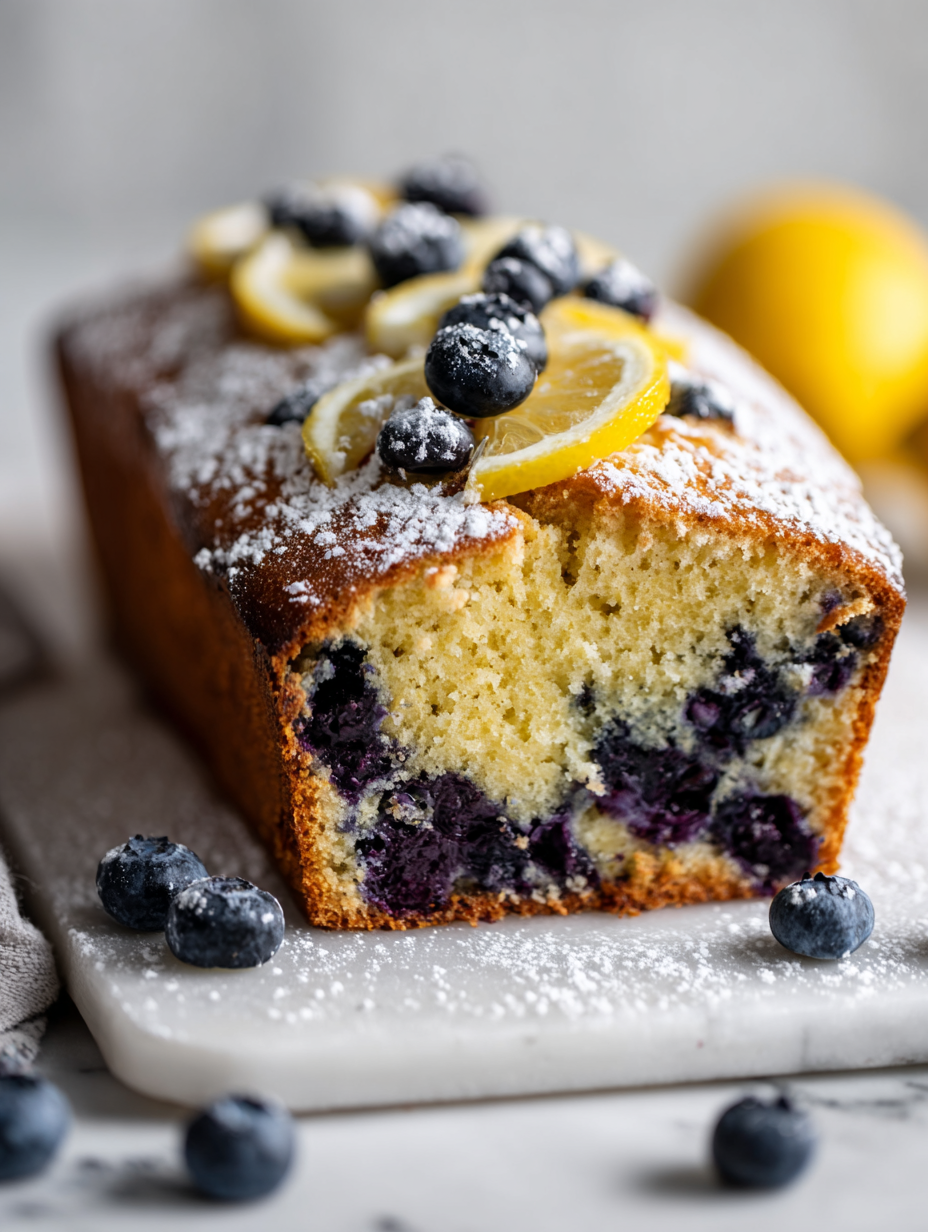
This blueberry lemon loaf is a quiet celebration of simple flavors that feel like a bright morning. I’ve always loved how the tartness of lemon balances the sweet, juicy burst of blueberries in every bite, making it feel both comforting and lively. It’s one of those recipes I turn to when I want something homemade that’s not too fussy but still feels special.
Baking this loaf takes me back to lazy weekend mornings, mornings filled with the smell of citrus zest and warm oven air. I like how the batter comes together quickly, and the anticipation of that first slice—golden and speckled with blueberry juice—is pretty satisfying. It’s a recipe that feels like a hug, but with a little zing of lemon that keeps things fresh and awake.
This recipe is inspired by childhood mornings when my grandma’s kitchen smelled of fresh lemons and ripe blueberries, filling the house with a bright, comforting aroma. I love how the zest and juice of lemon cut through the sweetness of blueberries, creating a balance that feels like a sunny moment frozen in time. It’s a reminder that simple ingredients, combined with patience, can bring a sense of nostalgia and warmth to the everyday.
A Nostalgic Twist on Blueberry Loaf
- Baking this loaf reminds me of lazy Sunday mornings with my family, the kitchen filled with lemon zest and blueberry aroma.
- I love how a splash of lemon juice can turn a simple batter into something lively and bright, lifting my spirits.
- There’s a quiet joy in watching blueberries burst and stain the batter, creating a marbled, jewel-toned slice.
- This recipe feels like a small act of kindness—a sweet, tangy treat that’s perfect for sharing or savoring alone.
- Every time I bake this, I’m transported back to childhood, where simple ingredients made for the sweetest memories.
The story behind this recipe
- This recipe started from a late summer afternoon when I found a handful of blueberries and a stubbornly bright lemon sitting on my counter. I wanted to create something that captured that fleeting burst of sunlight—something that felt both fresh and cozy. Baking this loaf became a way to hold onto that warmth, even as the days start to cool down.
- It’s also a nod to childhood mornings, when my mom would slice a lemon and squeeze it over berries for breakfast, the scent filling the kitchen with a zing that wakes you up. I love how the tart lemon and sweet berries play off each other, making each bite a little celebration of summer’s last hurrah. It’s a simple pleasure, but one I keep coming back to when I need a reminder of sunny days.
- heading: The story behind this recipe
Contextual origin, trivia, or history
- This recipe draws inspiration from traditional European fruit loaf baking, where citrus and berries often pair in simple, rustic cakes.
- Blueberries were historically considered a wild, indigenous fruit in North America, treasured for their resilience and sweet burst.
- Lemon, once a luxury in some regions, became a staple in baked goods as trade routes expanded in the 18th century, symbolizing brightness and freshness.
- The combination of blueberry and lemon in baked goods gained popularity in the 20th century, especially in American and European home baking traditions.
Ingredient breakdown: key components
- Blueberries: I love how their juice oozes and stains the batter—look for plump, ripe ones for the best flavor, or swap with frozen if fresh aren’t available, just don’t defrost beforehand to avoid excess moisture.
- Lemon zest: The zest adds a fragrant citrus aroma that wakes up the whole loaf—use a microplane and avoid the bitter white pith, which can muddle the bright flavor.
- Lemon juice: A splash of fresh lemon juice brightens the batter with a tang that cuts through sweetness—if you’re out, a little vinegar can mimic that sharpness, but go easy to keep it balanced.
- Butter: I prefer unsalted, creamy butter that melts smoothly into the batter, lending richness—substitute with a neutral oil if you’re dairy-free, but expect a slightly different crumb and flavor.
- All-purpose flour: I use regular flour for structure, but if you want a lighter loaf, swap half for almond flour—just note it might be a touch denser and nuttier.
- Sugar: Granulated sugar gives a clean sweetness that plays well with lemon and berries—brown sugar can add a caramel note if you’re feeling cozy, but it will darken the crust.
- Baking powder: It’s the leavening hero here, helping the loaf rise and stay tender—skip or reduce it if your batter looks over-risen or if you notice a sour smell.
Spotlight on key ingredients
Blueberries:
- I love how their juice oozes and stains the batter—look for plump, ripe ones for the best flavor, or swap with frozen if fresh aren’t available, just don’t defrost beforehand to avoid excess moisture.
- Lemon zest: The zest adds a fragrant citrus aroma that wakes up the whole loaf—use a microplane and avoid the bitter white pith, which can muddle the bright flavor.
Lemon:
- Lemon juice: A splash of fresh lemon juice brightens the batter with a tang that cuts through sweetness—if you’re out, a little vinegar can mimic that sharpness, but go easy to keep it balanced.
- Lemon zest: The zest adds a fragrant citrus aroma that wakes up the whole loaf—use a microplane and avoid the bitter white pith, which can muddle the bright flavor.
Notes for ingredient swaps
- FLOUR: I prefer all-purpose, but whole wheat flour can add a nuttier flavor and more fiber—just expect a denser crumb.
- SUGAR: Regular granulated sugar keeps it classic, but coconut sugar adds a caramel note—use slightly less if you want a less sweet loaf.
- BUTTER: Unsalted butter gives richness, but olive oil works in a pinch—expect a slightly fruitier, less creamy result.
- BLUEBERRIES: Fresh are ideal, but frozen work well—just don’t thaw them to prevent excess moisture bleeding into the batter.
- LEMON: Fresh zest and juice are best, but bottled lemon juice can save time—just use less, as it’s often more concentrated.
- MILK: Whole milk adds creaminess, but almond or oat milk keeps it dairy-free—may alter the richness slightly.
- LEMON ZEST: Use a microplane for bright, fragrant zest—skip if you’re out, but the lemon flavor really makes this loaf shine.
Equipment & Tools
- Oven: To bake the loaf evenly at the correct temperature.
- Loaf pan (9×5 inch): To shape and contain the batter during baking.
- Parchment paper: For easy removal and clean edges.
- Mixing bowls: To combine ingredients separately and then mix together.
- Whisk or fork: To whisk dry ingredients and lemon zest.
- Electric mixer (hand or stand): To cream butter and sugar and beat eggs smoothly.
- Rubber spatula: To fold blueberries and scrape batter into pan.
- Toothpick or cake tester: To check doneness of the baked loaf.
- Cooling rack: To cool the loaf evenly and prevent sogginess.
Step-by-step guide to Blueberry Lemon Loaf
- Preheat your oven to 175°C (350°F). Grease a 9×5 inch loaf pan with butter or non-stick spray, then line with parchment paper for easy removal.
- In a small bowl, zest and juice the lemon. Set aside. To a large mixing bowl, add 1 1/2 cups of all-purpose flour, 1 teaspoon baking powder, and a pinch of salt. Whisk together until combined.
- In another bowl, cream together 1/2 cup unsalted butter and 1 cup sugar until light and fluffy, about 2-3 minutes. Use a hand or stand mixer on medium speed.
- Beat in 2 large eggs, one at a time, ensuring each is fully incorporated before adding the next. Add the lemon zest and juice, mixing until just combined.
- Gradually add the dry ingredients to the wet mixture, alternating with 1/2 cup of milk or buttermilk. Start and end with the dry ingredients. Mix on low speed until just combined—don’t overmix, or the loaf will be dense.
- Gently fold in 1 cup of fresh or frozen blueberries. If using frozen, do not thaw to prevent color bleeding. Swirl the berries into the batter carefully.
- Pour the batter into the prepared loaf pan, smoothing the top with a spatula. Sprinkle a few extra blueberries on top for presentation if desired.
- Bake in the preheated oven for 50-60 minutes. Check for doneness with a toothpick inserted into the center—if it comes out clean or with just a few crumbs, it’s ready. The top should be golden and slightly cracked.
- If the loaf starts to brown too quickly, loosely tent with foil and continue baking. For even baking, rotate the pan halfway through if your oven has hot spots.
- Once baked, remove the loaf from the oven and let it cool in the pan for about 15 minutes. Then, transfer to a wire rack to cool completely before slicing. Resting helps set the crumb and prevents crumbling.
- Slice with a serrated knife. The crumb should be tender, with a slight moisture from the blueberries, and the aroma of lemon filling the room.
- Serve at room temperature or slightly warmed. The loaf pairs well with a dollop of yogurt or a drizzle of honey, if you like.
Allow the loaf to cool in the pan for 15 minutes, then transfer to a wire rack. Let it cool completely before slicing to maintain structure. Slice with a serrated knife for clean cuts. Serve at room temperature or slightly warmed, with optional toppings.
How to Know It’s Done
- The top is golden with slight cracks and smells fragrant of lemon and berries.
- A toothpick inserted into the center comes out clean or with moist crumbs, not wet batter.
- The loaf springs back slightly when gently pressed in the middle, indicating proper doneness.
Blueberry Lemon Loaf
Ingredients
Equipment
Method
- Preheat the oven to 175°C (350°F). Grease your loaf pan with butter or non-stick spray, then line it with parchment paper for easy removal.
- Zest the lemon using a microplane, then squeeze out 2 tablespoons of fresh lemon juice. Set both aside.
- In a large mixing bowl, whisk together the flour, baking powder, and a pinch of salt until evenly combined.
- In a separate bowl, beat the softened butter and sugar together using an electric mixer until the mixture is light, fluffy, and fragrant, about 2-3 minutes.
- Beat in the eggs one at a time, ensuring each egg is fully incorporated before adding the next, until the mixture is smooth and slightly thickened.
- Add the lemon zest and juice to the wet mixture, mixing just until combined and fragrant.
- Gradually mix in the dry ingredients, alternating with the milk, beginning and ending with the dry ingredients. Mix on low speed just until combined; do not overmix.
- Gently fold in the blueberries with a spatula, being careful not to crush them or let the batter become overmixed.
- Pour the batter into the prepared loaf pan, smoothing the top with a spatula. Sprinkle a few extra blueberries on top for visual appeal.
- Bake in the preheated oven for 50-60 minutes, or until the top is golden and a toothpick inserted in the center comes out clean or with moist crumbs. If the top browns too quickly, tent with foil.
- Remove the loaf from the oven, let it cool in the pan for 15 minutes, then transfer to a wire rack to cool completely before slicing.
- Slice with a serrated knife and enjoy this tender, fragrant loaf that’s bursting with blueberries and bright lemon flavor.
Pro tips for perfect blueberry lemon loaf
- Use fresh blueberries for juicier bursts and vibrant color in every slice.
- Zest the lemon before juicing to maximize aroma—avoid the bitter white pith for a bright flavor.
- Fold blueberries gently into the batter to prevent them from sinking and bursting during baking.
- If the loaf starts browning too quickly, loosely tent with foil to prevent over-torching the top.
- Check doneness with a toothpick—when it comes out clean or with moist crumbs, it’s ready.
- Don’t overmix the batter—just stir until ingredients are combined to keep the loaf tender.
- Cool the loaf in the pan for 15 minutes before transferring to a wire rack—resting helps set the crumb.
Common mistakes and how to fix them
- FORGOT to check oven temperature → calibrate or adjust baking time accordingly.
- DUMPED blueberries directly into batter → toss with a little flour first to prevent sinking.
- OVER-TORCHED the loaf top → tent with foil halfway through baking to prevent burning.
- MISSED the lemon zest → add zest earlier for maximum fragrance and flavor.
Quick fixes and pantry swaps
- When blueberries sink, fold in a tablespoon of flour first to help them stay suspended.
- Splash lemon juice directly into the batter to brighten flavors instantly if zest is forgotten.
- Patch over uneven tops with extra batter before baking for a more uniform loaf.
- DUMPED blueberries too early? Add a few fresh berries on top before the last 10 minutes for burst of color.
- When loaf cracks excessively, shield with foil and reduce oven temperature slightly for a softer crust.
Prep, store, and reheat tips
- Prep the lemon zest and juice, and measure out your ingredients the night before—makes mixing quicker and keeps the kitchen less chaotic.
- Store the baked loaf in an airtight container at room temperature for up to 2 days; the aroma of lemon and blueberries will subtly intensify.
- For longer storage, wrap tightly in plastic wrap and freeze for up to 1 month. Thaw at room temperature for a soft, fragrant slice.
- Reheat slices gently in the microwave for about 10-15 seconds until just warm—watch for the blueberries to ooze and the lemon scent to intensify.
- The loaf tastes best fresh, but reheating brings back that just-baked aroma and moist crumb, especially when the lemon and berries are still lively.
FAQs about Blueberry Lemon Loaf
1. Can I use frozen blueberries?
Fresh blueberries release more juice and have a firmer texture, while frozen blueberries are softer and can bleed more into the batter. Use what’s available, just don’t thaw frozen berries to avoid excess moisture.
2. Should I thaw frozen blueberries first?
Yes, but add frozen berries directly into the batter without thawing to prevent bleeding and color loss. Expect a slightly moister loaf with more juice pockets.
3. How much lemon zest and juice do I need?
Lemon zest brightens the whole loaf with a fragrant citrus aroma, while lemon juice adds a tangy punch. Use fresh for the best flavor, but bottled lemon juice can work in a pinch if fresh isn’t available.
4. How do I know when it’s baked?
A toothpick inserted into the center should come out with moist crumbs or clean, indicating doneness. The top will be golden with slight cracks and fragrant of lemon and berries.
5. What if the top browns too fast?
If the loaf browns too quickly, loosely tent it with foil in the last 15 minutes of baking. This prevents over-torching while allowing the center to cook through.
6. Can I slice it hot?
Let the loaf cool in the pan for 15 minutes to set the crumb, then transfer to a wire rack. Cooling prevents crumbling and ensures even texture when slicing.
7. How should I store leftovers?
Store at room temperature in an airtight container for up to 2 days or freeze wrapped tightly for up to a month. Reheat slices gently in the microwave for a quick, fragrant warm-up.
8. How do I keep berries from sinking?
To prevent sinking, toss blueberries with a tablespoon of flour before folding into the batter. This helps keep them suspended and evenly distributed during baking.
9. Can I use whole wheat flour?
Yes, you can swap out all-purpose flour with whole wheat for a nuttier flavor and more fiber, but expect a denser crumb. Adjust baking time slightly if needed.
10. Why is my loaf dense?
When the batter is mixed, don’t overwork it. Just combine until ingredients are incorporated to keep the loaf tender and airy—avoid vigorous mixing.
Baking this loaf fills the kitchen with a bright, citrusy aroma that lifts the mood, especially on quiet mornings or when you need a little sunshine. The combination of juicy blueberries and zesty lemon creates a flavor that’s both familiar and unexpectedly lively. It’s a simple pleasure, but one that makes a regular day feel a bit more special.
Sharing slices of this loaf can turn an ordinary tea time into a small celebration, where the tang and sweetness dance on your tongue. It’s the kind of treat that sticks with you, a reminder that good things often come from straightforward ingredients and a little patience. Sometimes, that’s all it takes to make a moment memorable.

Hi, I’m Oliver Stone, the writer, cook, and storyteller behind Crying Into the Onions. I’m so glad you found your way here. This blog was born from equal parts humor, heart, and a deep love for honest cooking. I started this blog to share more than just recipes — I wanted to capture the emotions, memories, and quirks that make food more than fuel. Because sometimes, cooking makes you laugh. Sometimes, it makes you cry (into the onions, naturally). And most of all, it brings people together.