
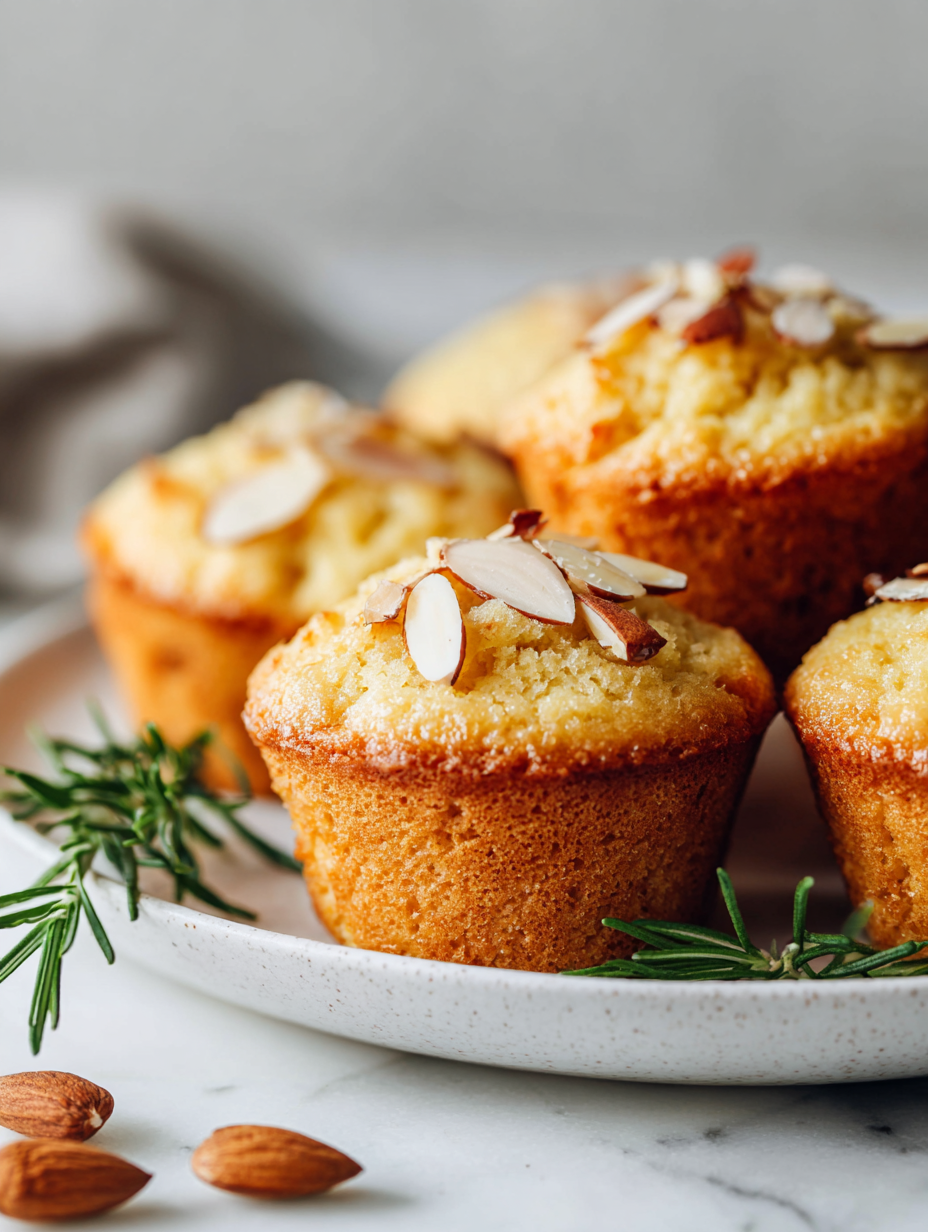
Almond flour might seem like an odd choice for muffins, but it’s what makes these little treats feel special. The nutty aroma when they’re baking—that warm, toasted smell—carries a sense of comfort that’s hard to match with regular wheat flour. Plus, the protein boost helps keep me full longer, which is a small victory in my busy mornings.
I started baking with almond flour out of necessity—avoiding gluten, but still craving that tender crumb and rich flavor. Over time, I realized how forgiving it is; it doesn’t overwork easily, and the moistness stays just right. These muffins aren’t just a healthier choice; they’re a little indulgence that feels nourishing, without the guilt.
What I love most is how adaptable this recipe is—adding a handful of berries, a dash of cinnamon, or even some chopped nuts. It’s like a blank canvas that always turns into something comforting and satisfying. Baking them feels almost like a quiet ritual, a chance to slow down and enjoy the simple pleasure of good, honest food.
Focusing on how almond flour transforms muffins into a naturally gluten-free, protein-rich snack that feels indulgent yet wholesome, perfect for those avoiding wheat but craving comfort.
Unexpected benefits of almond flour
- Baking these muffins always brings a sense of calm, the nutty aroma filling my kitchen with warmth.
- I love how a splash of vanilla transforms the flavor, making each bite feel like a tiny celebration.
- There’s a quiet pride in knowing these muffins are packed with healthy fats and protein, fueling my day.
- Sometimes I add a handful of blueberries just before baking, and the burst of juice is pure joy.
- Sharing these with friends feels special—like offering a little piece of wholesome comfort.
The story behind this recipe
- Baking these muffins always reminds me of weekend mornings in my grandma’s kitchen. She’d crack eggs with a laugh, and the smell of toasted almonds would drift through the house. I started experimenting with almond flour after a gluten allergy made me rethink my baking. What began as a necessity turned into a small obsession for the warm, nutty aroma that fills the air when they bake.
- Over time, I discovered how forgiving almond flour is—moist and tender without overmixing. It’s become my go-to for a quick, satisfying breakfast that feels indulgent but isn’t loaded with sugar. These muffins are more than a recipe—they’re a quiet nod to simpler mornings and the joy of rediscovering familiar flavors in a new way.
- Now, whenever I bake these, it’s a little ritual—measuring out the flour, smelling the raw batter, waiting for that first crackle in the oven. They’re a reminder that comfort can be simple, nourishing, and just a little bit special.
Historical & Cultural Facts
- Almond flour was historically used in Mediterranean baking long before gluten-free trends popularized it in recent years.
- During World War II, almond flour gained popularity as a protein-rich alternative when wheat supplies were scarce.
- Native to the Middle East, almonds and their flour have been a staple in traditional sweets for centuries, lending a rich, nutty flavor.
- The shift towards gluten-free baking in the 21st century has revived old recipes that rely heavily on almond flour’s unique texture.
- Almond flour’s rise in popularity correlates with increased awareness of low-carb and paleo diets, making it a versatile baking ingredient.
Ingredient breakdown: key components
- Almond flour: I love the slightly nutty aroma it adds—makes the muffins smell like toasted almonds right out of the oven. If you want a subtler flavor, try blending half almond with coconut flour.
- Baking soda: It’s the tiny leavening hero here—just a pinch helps these muffins rise without drying out. If you prefer a denser crumb, cut back slightly, but don’t skip it entirely.
- Eggs: They give structure and moisture—beaten well until frothy for a lighter texture. For a vegan version, try flax eggs, but expect a slightly denser, chewier muffin.
- Maple syrup: Adds a gentle sweetness and keeps the muffins moist. If you want a richer flavor, swap with honey; for a less sweet version, reduce by a tablespoon.
- Vanilla extract: It amplifies the nutty notes and adds warmth—don’t skip this. Use a splash of almond extract instead for an extra dimension, but be cautious—it’s potent!
- Coconut oil: I prefer it melted for even mixing, and it adds a subtle tropical scent. Substitute with butter for a richer, more traditional flavor, or applesauce for a lower-fat option.
- Optional add-ins: Blueberries, chopped nuts, or a sprinkle of cinnamon can turn these into something truly personalized. Just fold in gently—overmixing can make them dense.
Spotlight on key ingredients
Almond flour:
- I love how it lends a slightly nutty aroma, especially when toasted—makes the muffins smell like warm almonds straight from the oven. If you want a subtler flavor, try blending half almond with coconut flour.
- Baking soda: It’s the tiny leavening hero—just a pinch helps these muffins rise without drying out. If you prefer a denser crumb, cut back slightly, but don’t skip it entirely.
- Eggs: They give structure and moisture—beat well until frothy for a lighter texture. For vegan tweaks, try flax eggs, but expect a slightly denser muffin.
Sweeteners & flavorings:
- Maple syrup: Adds gentle sweetness and keeps the muffins moist—smells sweet and caramel-y as they bake. Swap with honey for a richer flavor or reduce if you want less sweetness.
- Vanilla extract: It boosts the nutty notes and adds warmth—don’t skip this. Use a splash of almond extract instead for an extra layer, but be cautious—it’s potent!
Notes for ingredient swaps
- Dairy-Free: Swap regular butter or milk with coconut oil or almond milk. Expect a slightly different richness and texture.
- Sweeteners: Maple syrup can be replaced with honey or agave nectar. Each will alter the flavor slightly, adding their unique notes.
- Eggs: Flax eggs or chia seeds mixed with water make a good vegan substitute, but may produce a denser crumb.
- Nut Flour: Coconut flour can be used, but it absorbs more moisture—reduce the quantity and add extra liquid accordingly.
- Flavor Boost: A splash of lemon juice or zest adds brightness, especially if you skip sweetening or want a more tart muffin.
- Add-ins: Frozen berries or chopped nuts can be mixed in; adjust quantity to avoid overloading the batter and affecting baking.
- Oil: Substitute with applesauce or mashed banana for a lower-fat, fruitier variation—expect a subtler flavor and moist crumb.
Equipment & Tools
- Oven: For baking the muffins evenly.
- Muffin tin: Holds the batter during baking and shapes the muffins.
- Mixing bowls: Combine wet and dry ingredients separately.
- Whisk and spatula: Mix ingredients thoroughly without overworking the batter.
- Measuring cups and spoons: Ensure accurate ingredient proportions.
- Cooling rack: Allow muffins to cool evenly and avoid sogginess.
Step-by-step guide to almond flour muffins
- Preheat your oven to 180°C (350°F). Grease or line a 12-cup muffin tin with paper liners. Have all ingredients measured and ready for quick assembly.
- In a mixing bowl, whisk together 1 1/2 cups almond flour, 1 teaspoon baking soda, and a pinch of salt. Set aside.
- In a separate bowl, beat 3 large eggs until frothy, about 30 seconds. Add 1/4 cup maple syrup, 1 teaspoon vanilla extract, and 1/4 cup melted coconut oil. Mix well.
- Pour the wet ingredients into the dry. Gently fold until just combined. Do not overmix; a few lumps are okay.
- Optional: fold in 1/2 cup blueberries or chopped nuts for added texture and flavor.
- Spoon batter into muffin cups, filling each about 3/4 full. Smooth the tops with the back of a spoon.
- Bake in the preheated oven for 20-22 minutes. The muffins should be golden brown and a toothpick inserted in the center comes out clean.
- Remove from oven and let cool in the tin for 5 minutes. Transfer to a wire rack to cool completely before serving.
- Allow muffins to rest for at least 10 minutes to finish setting. Serve warm or at room temperature for best texture.
Let muffins rest on a cooling rack for at least 10 minutes. Serve warm or at room temperature, optionally dusted with a little powdered sugar or drizzled with honey. For storage, keep in an airtight container at room temperature for up to 2 days, or refrigerate for up to a week. Reheat briefly in the oven or microwave, watching for that fresh-baked aroma and tender crumb.
How to Know It’s Done
- Golden-brown tops with a slight crackle surface.
- Toothpick inserted in the center comes out clean.
- Muffins feel firm yet moist to the touch.
Almond Flour Muffins
Ingredients
Equipment
Method
- Preheat your oven to 180°C (350°F) and line a muffin tin with paper liners or lightly grease each cup.
- In a large mixing bowl, whisk together the almond flour and baking soda until well combined. This creates a uniform base for your muffins.
- In a separate bowl, beat the eggs vigorously until they become frothy and slightly pale, about 30 seconds. This helps incorporate air for a lighter crumb.
- Mix in the maple syrup, vanilla extract, and melted coconut oil into the eggs, stirring until the mixture is smooth and fragrant.
- Pour the wet mixture into the bowl with the dry ingredients. Gently fold together with a spatula until just combined, avoiding overmixing to keep the muffins tender.
- If desired, gently fold in blueberries or chopped nuts to add bursts of flavor and texture.
- Spoon the batter evenly into the prepared muffin cups, filling each about three-quarters full. Smooth the tops lightly with the back of a spoon.
- Bake in the preheated oven for 20 to 22 minutes, or until the muffins are golden brown and a toothpick inserted into the center comes out clean.
- Remove the muffins from the oven and let them cool in the tin for 5 minutes. Then transfer them to a cooling rack to cool completely, which helps set their crumb.
- Once cooled, serve the muffins warm or at room temperature. They’re delicious on their own or paired with a spread of butter or jam.
Pro tips for perfect almond muffins
- Bolded mini-head: Use room temperature eggs to ensure better emulsification and a lighter muffin crumb.
- Bolded mini-head: Gently fold ingredients—overmixing can activate gluten in nut flour, making muffins dense.
- Bolded mini-head: For extra moisture, add a splash of almond milk if the batter feels too thick or dry.
- Bolded mini-head: To prevent sticking, line your muffin tin with parchment liners or lightly grease each cup.
- Bolded mini-head: Check for doneness by inserting a toothpick—cracks on top and a clean stick mean they’re ready.
- Bolded mini-head: For a golden finish, give the muffins a quick broil for 1-2 minutes at the end—watch carefully!
- Bolded mini-head: If muffins crack or dome unevenly, gently tap the tray to release air bubbles before baking.
Common mistakes and how to fix them
- TOO MUCH MIXING: Overmixing can make muffins dense; fold gently until just combined.
- Oven Temp: If muffins brown too quickly, lower temperature to 170°C (340°F).
- Undercooked: If batter is still wet inside, extend baking time by 3-5 minutes.
- Dry Muffins: If they turn out dry, reduce baking time or check oven calibration.
Quick fixes and pantry swaps
- If muffins crack or crackle, reduce oven temperature slightly and bake a few extra minutes.
- When batter is too thick, splash in a little more almond milk to loosen it up.
- Splash hot water on the oven door or muffin tin to shimmer and release stuck muffins.
- Patch dry muffins by wrapping in a damp towel and microwaving for 10 seconds.
- Shield over-browned tops with foil and continue baking to avoid burnt edges.
Prep, store, and reheat tips
- Prepare the dry ingredients and measure the wet components ahead of time; store separately in airtight containers for up to 24 hours. The dry mix stays light and fluffy, while wet ingredients should be refrigerated if not used immediately, to prevent separation.
- Baked muffins can be kept at room temperature in an airtight container for 1-2 days; for longer storage, refrigerate up to 1 week. They will firm up slightly but still retain moisture and flavor—reheat in the microwave for 10-15 seconds until warm, with a faint crackle in the crust.
- Freeze muffins in a sealed bag for up to 3 months. To reheat, thaw at room temperature or warm in the oven at 150°C (300°F) for 10-12 minutes until they shimmer with steam and smell invitingly nutty.
- Refrigeration can dull the aroma slightly; reheating restores the warmth and moist crumb. For best sensory results, serve muffins slightly warm, with the smell of toasted almonds filling the air again.
FAQs about Almond Flour Muffins
1. Can I use almond meal instead of almond flour?
Use finely ground almond flour for the best texture—coarser flour can make muffins dense and grainy.
2. Will almond meal work in this recipe?
Yes, but almond meal is usually less fine, which might make your muffins a bit more crumbly and rustic.
3. What’s the best oven temperature for these muffins?
Baking at 180°C (350°F) is ideal; too hot can burn the tops before the centers set.
4. Why are my muffins dry or crumbly?
If the muffins turn out dry, try reducing baking time or adding a splash more oil or milk next time.
5. How can I enhance the flavor of these muffins?
Add a teaspoon of lemon zest or a splash of vanilla for a flavor boost that complements the nutty aroma.
6. Can I swap out the maple syrup?
You can substitute honey or agave for maple syrup; expect slight differences in sweetness and moisture.
7. Are vegan options available for this recipe?
Yes, flax eggs or chia seeds soaked in water can replace eggs, but expect a denser, chewier muffin.
8. How do I prevent dense or flat muffins?
Ensure your oven is preheated and the batter isn’t overmixed to avoid dense, flat muffins.
9. How should I store leftovers?
Store baked muffins in an airtight container at room temperature for 1-2 days, or refrigerate for up to a week.
10. How do I reheat muffins without drying them out?
Reheat muffins in the microwave for about 10-15 seconds until warm and fragrant, or warm in a low oven.
Baking these almond flour muffins is a simple act that reconnects me with the comforting, nutty aroma of home. Each batch reminds me that wholesome ingredients can create something genuinely satisfying without fuss or fancy techniques.
They’re perfect for quiet mornings or unexpected guests, offering a little slice of nourishment that feels both honest and special. Sometimes, the best recipes are those that turn routine into a small, meaningful ritual.

Hi, I’m Oliver Stone, the writer, cook, and storyteller behind Crying Into the Onions. I’m so glad you found your way here. This blog was born from equal parts humor, heart, and a deep love for honest cooking. I started this blog to share more than just recipes — I wanted to capture the emotions, memories, and quirks that make food more than fuel. Because sometimes, cooking makes you laugh. Sometimes, it makes you cry (into the onions, naturally). And most of all, it brings people together.